Parliamentary Affairs
Coverage of the two federal houses, regional state councils, and the two city adminstation councils.
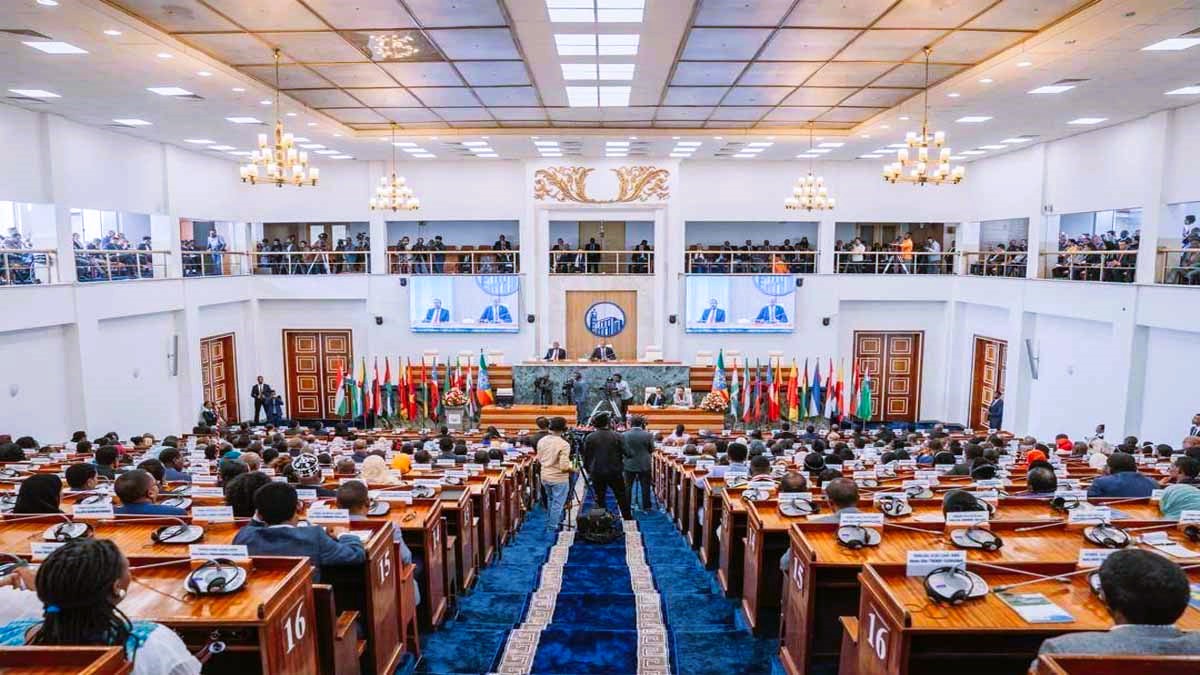
Peace. Parliament. Policy.
Bridge Research and Innovation forDemocratic Governance and Enhanced Peace
An independent, non-profit think tank and parliamentary monitoring organization specializing in research and policy analysis on the Intergovernmental Authority on Development (IGAD), parliamentary affairs, regional integration, peace and security, governance, and development in Eastern Africa.
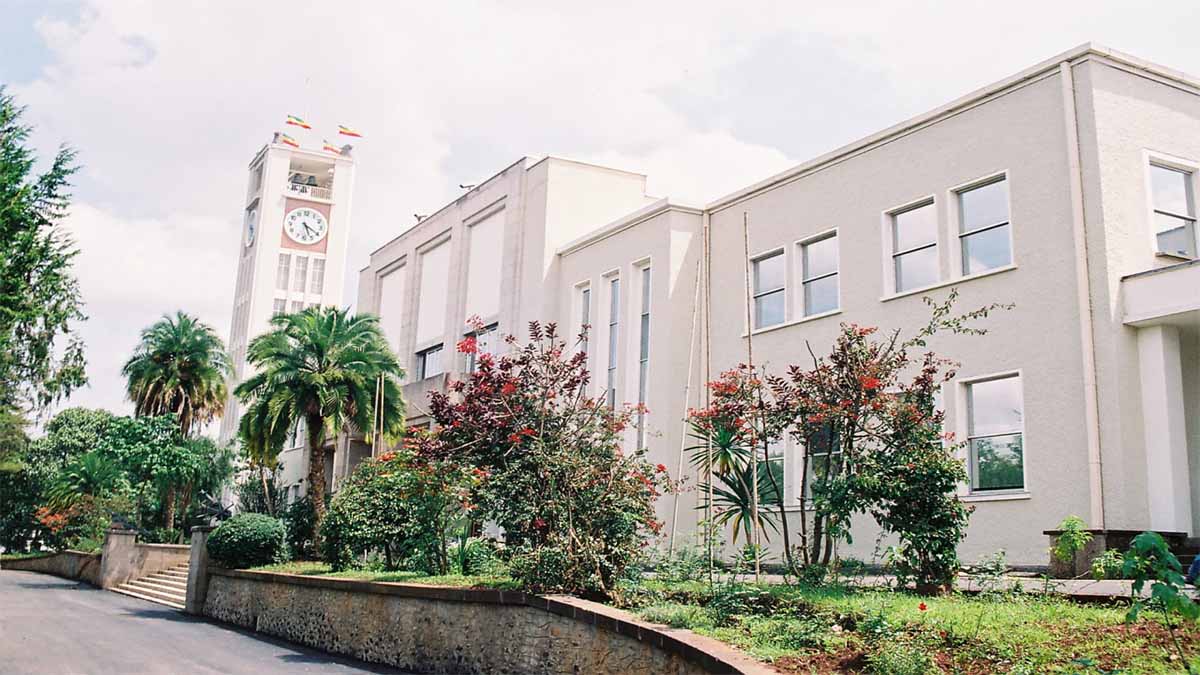
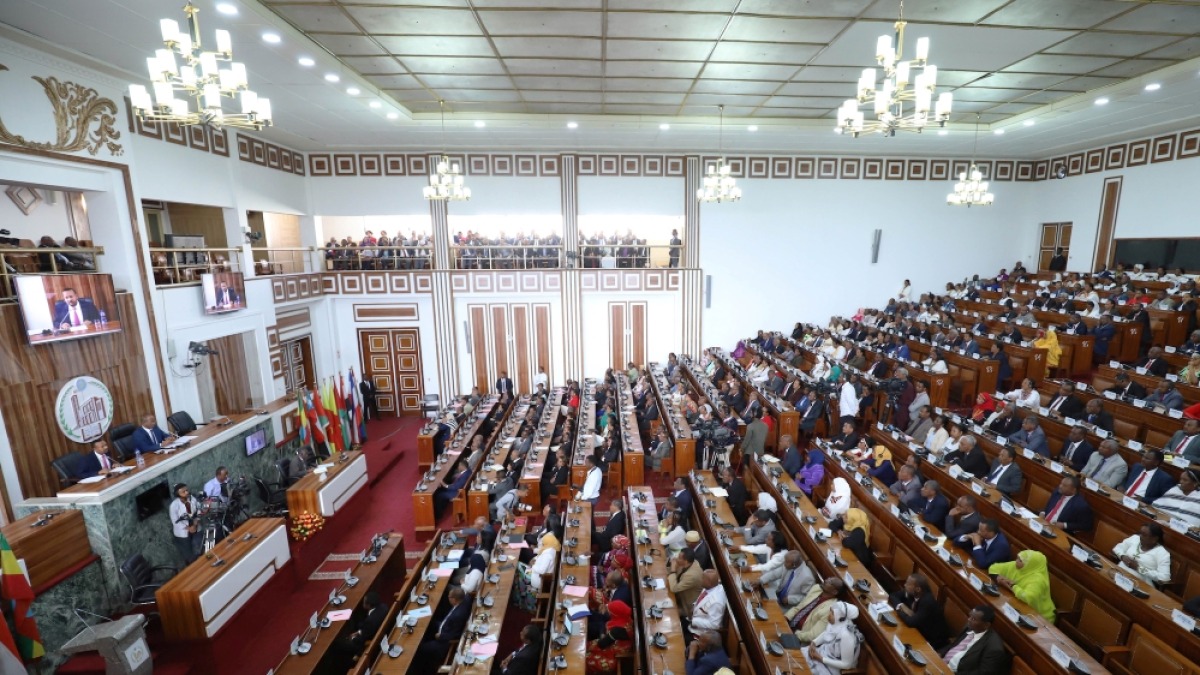
Monitoring the House of Federation and the House of Peoples' Representatives.
View briefings 02Coverage of all regional state parliaments plus Addis Ababa and Dire Dawa city councils.
See monitoring 03Research and Analysis on IGAD and Regional Issues Related to Peace, Development, Regional Integration, and Climate Resilience.
Read analysisBRIDGE is a non-profit think tank and Parliamentary Monitoring Organization specializing in parliamentary affairs and IGAD-focused regional research.
Founded in Addis Ababa in December 2024, BRIDGE conducts parliamentary monitoring, produces evidence-based policy research and publications, and strengthens institutional capacity to promote democratic governance, regional integration, and sustainable peace.
Our work spans the full spectrum of governance research and policy engagement, from monitoring federal and regional legislatures and conducting field research to publishing policy digests, delivering institutional capacity-building and specialised training programs on Ethiopian politics, the Horn and IGAD, and producing in-depth policy analysis on IGAD and the Horn of Africa.
Established and registered as a non-profit think tank in Addis Ababa, Ethiopia, under FDRE Civil Society Organization Proclamation No. 1113/2019 — with a mandate to advance evidence-based research on parliaments, peace, and policy across the IGAD region.
Read our founding story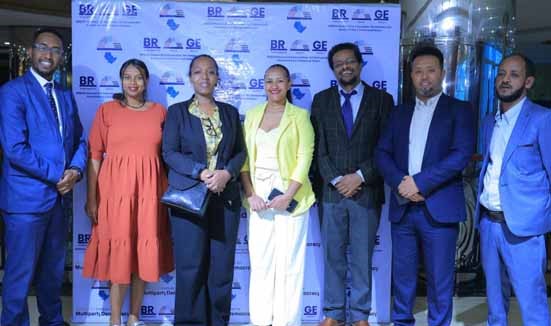
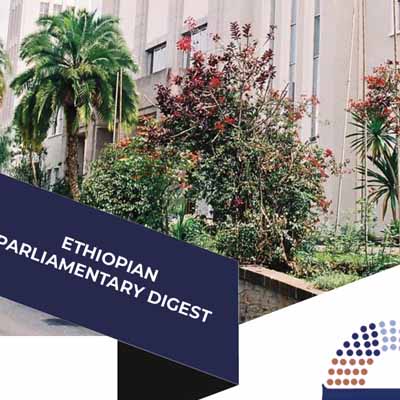
BRIDGE publishes its inaugural monthly parliamentary digest in parallel English and Amharic editions — tracking federal sessions, oversight, committee work, and parliamentary diplomacy.
Browse the digest archiveBRIDGE Research & Innovation and the HoPR have partnered to bolster Ethiopia’s legislative capacity through evidence-based research, professional training, and improved public engagement.
Read the full story here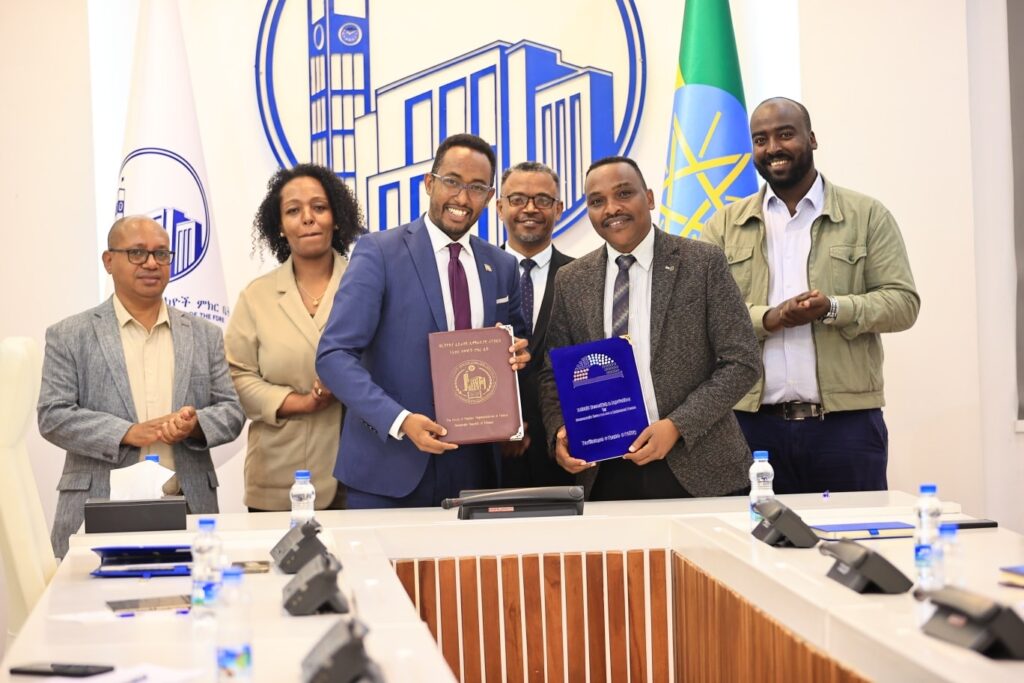
Since November 2025, BRIDGE has been producing the IGAD Monthly Digest and Occasional Paper series. Building on this collaboration, in April 2026 the IGAD Secretariat and BRIDGE signed a Terms of Reference (ToR), officially appointing BRIDGE to research and produce the IGAD 40th Anniversary Handbook (1986–2026) to commemorate four decades of the organisation's regional cooperation and integration.
Explore IGAD researchCoverage of the two federal houses, regional state councils, and the two city adminstation councils.
Research and analysis on the activities of IGAD, regional integration, peace, governance and development.
Specialized training programs focusing on Ethiopian politics, IGAD, and the evolving geopolitical dynamics of the Horn of Africa.
English and Amharic publications on Ethiopian parliamentary affairs and IGAD, transforming research into accessible policy briefings, digests, and knowledge resources.
A multidisciplinary team of researchers, policy analysts, AI and computer science experts, and admin professionals committed to strengthening democratic institutions, regional peace, and sustainable development.

Co-Founder and Director — Specialist in defense and security, parliamentary affairs, IGAD, and regional dynamics, with extensive experience as a researcher and Assistant Professor.

Leading researcher specializing in IGAD regional integration, peace and security, and inter-parliamentary dialogue across the Horn of Africa.

An experienced Admin and Finance Manager with a proven track record of streamlining organizational workflows and safeguarding financial integrity.

Coordinates training programs, publications, and strategic communications bridging research outputs with policy stakeholders.
BRIDGE combines legislative monitoring, regional policy research, targeted training, and accessible publications into one sustained research-to-policy practice.
Monitoring and analyzing Ethiopia’s two federal Houses, twelve regional state councils, and two city administrative councils, covering 19 legislative institutions, including the Houses of Nationalities of three regional states.
Comprehensive research and policy analysis on IGAD’s activities, regional initiatives, and salient issues.
Building institutional and individual capacity through targeted training programs on governance, parliamentary practice, regional affairs, and public policy.
Producing and disseminating knowledge products, including monthly digests, quarterly reviews, occasional papers, policy briefs, and books, to translate research into accessible insights for policymakers, institutions, and the public.
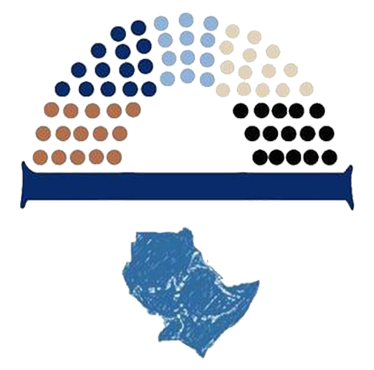
Explore Ethiopia’s regional states and their representation in the House of Peoples’ Representatives (HoPR), as well as the parliaments of IGAD member states. Click on any country or regional state to access its profile, publications, and parliamentary briefings.
Capacity Building — Parliamentary Governance & Procedure
Stay up to date with BRIDGE's latest publications, digests, and activities.
BRIDGE's monthly digests have become an indispensable resource for our parliamentary research team. The depth of analysis on the House of Peoples' Representatives is unparalleled.
The IGAD research publications provide critical insights into regional peace and security dynamics that are simply not available elsewhere. Their occasional paper series is exceptional.
The capacity building training sessions have significantly enhanced our understanding of parliamentary procedures and democratic governance principles. Highly recommended for all CSOs.
Quick answers about BRIDGE research, publications, training programs, and collaboration opportunities.
BRIDGE focuses on parliamentary affairs, democratic governance, peacebuilding, and IGAD-related regional research across Ethiopia and the Horn of Africa.
Yes. We publish monthly digests, occasional papers, policy briefs, quarterly reviews, and other research outputs in English and Amharic.
Yes. BRIDGE supports institutions, civil society organizations, and partners through training sessions, briefings, and tailored governance knowledge support.
You can use the contact section to reach out for research partnerships, publication collaboration, events, capacity building, or media and policy engagement.

Want to join us or learn more? Send us a message and we'll get back to you.